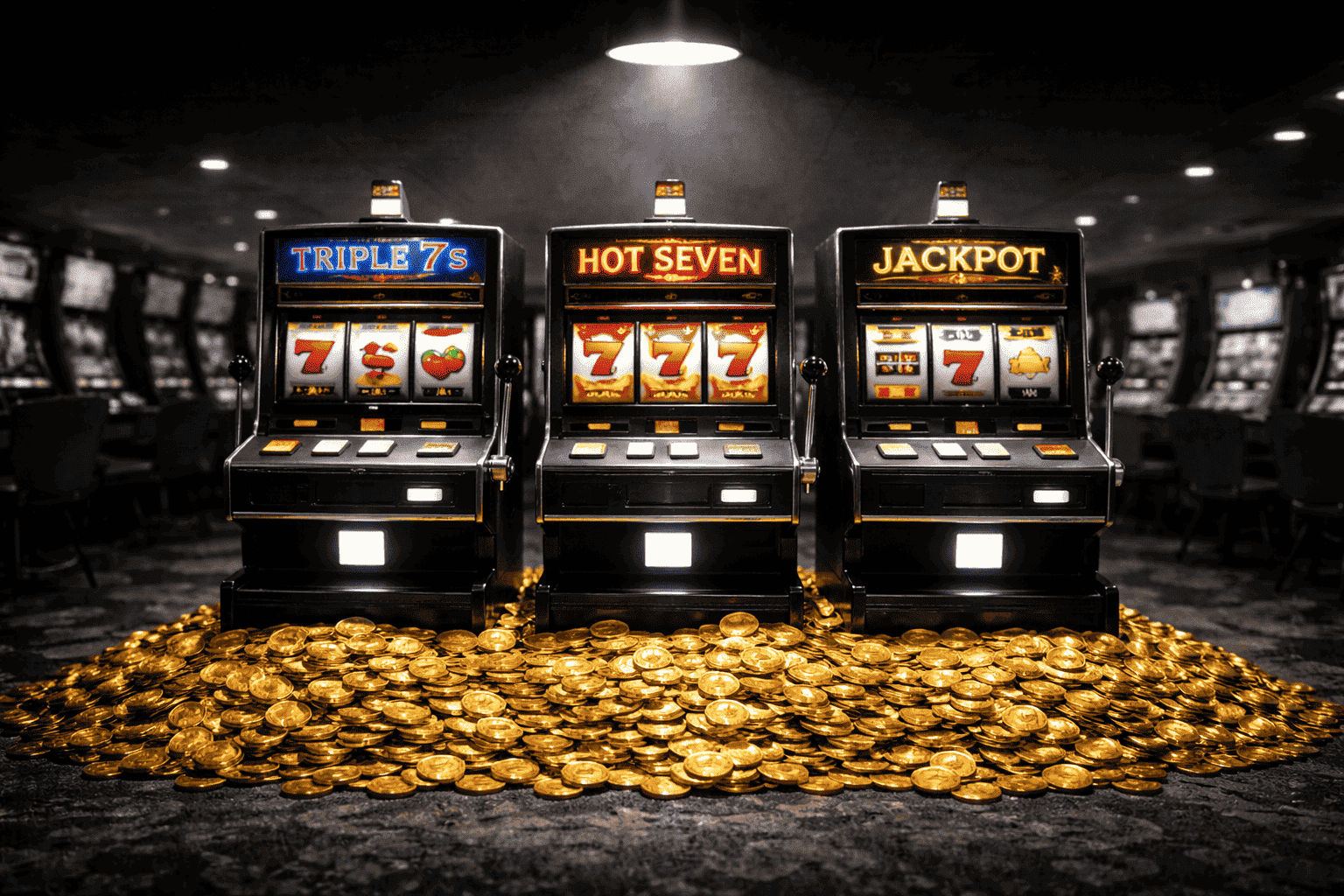



Progressive Jackpot Slots
• A portion of every bet feeds the jackpot pool
• RTP listed excludes the jackpot — base game pays less
• Must-drop jackpots are more reliable than network pools
• Seed value is guaranteed — play after a recent drop is fine
• Jackpot size does not change your probability of winning
• A portion of every bet feeds the jackpot pool
• RTP listed excludes the jackpot — base game pays less
• Must-drop jackpots are more reliable than network pools
• Seed value is guaranteed — play after a recent drop is fine
• Jackpot size does not change your probability of winning
What Makes a Slot "Progressive"
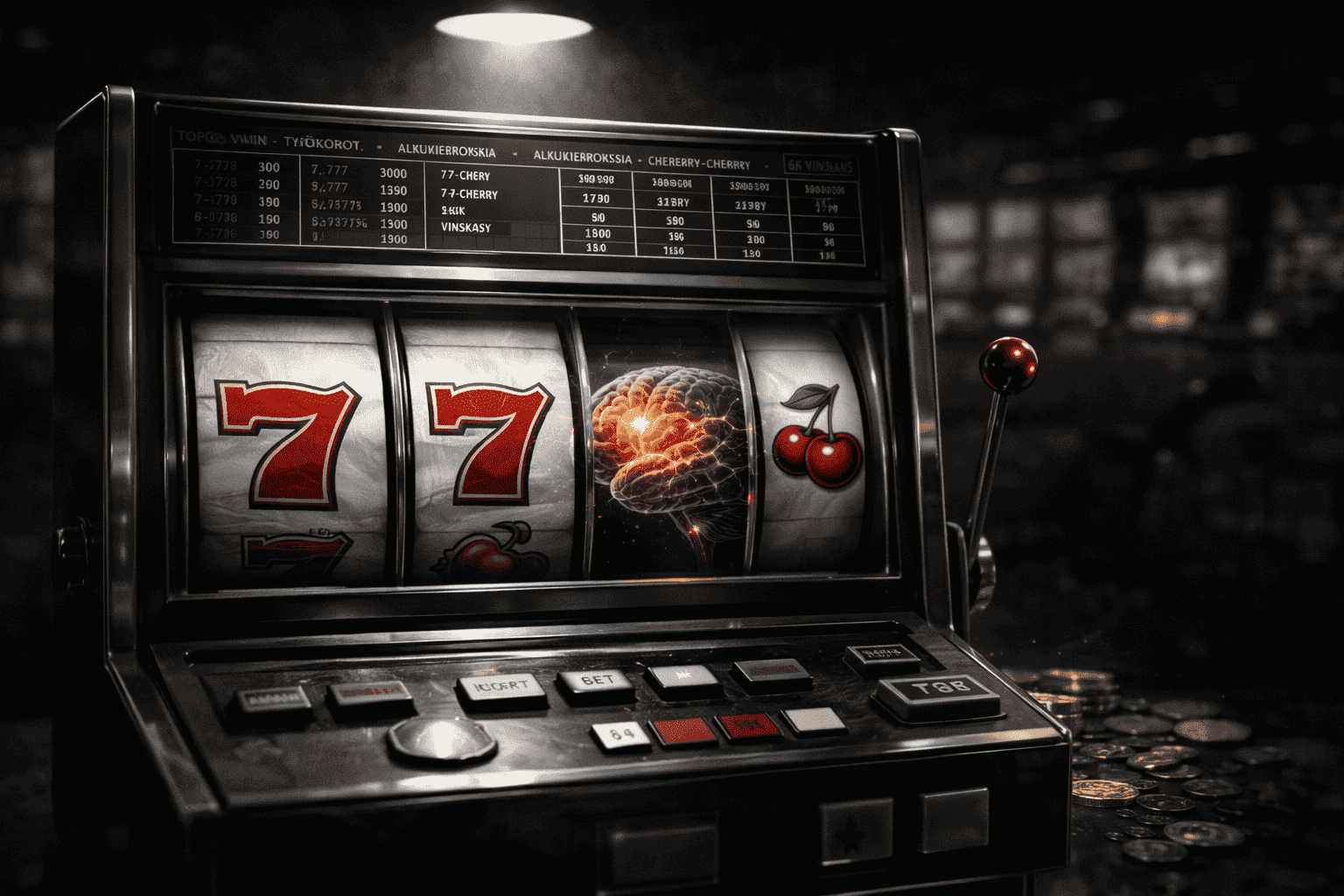
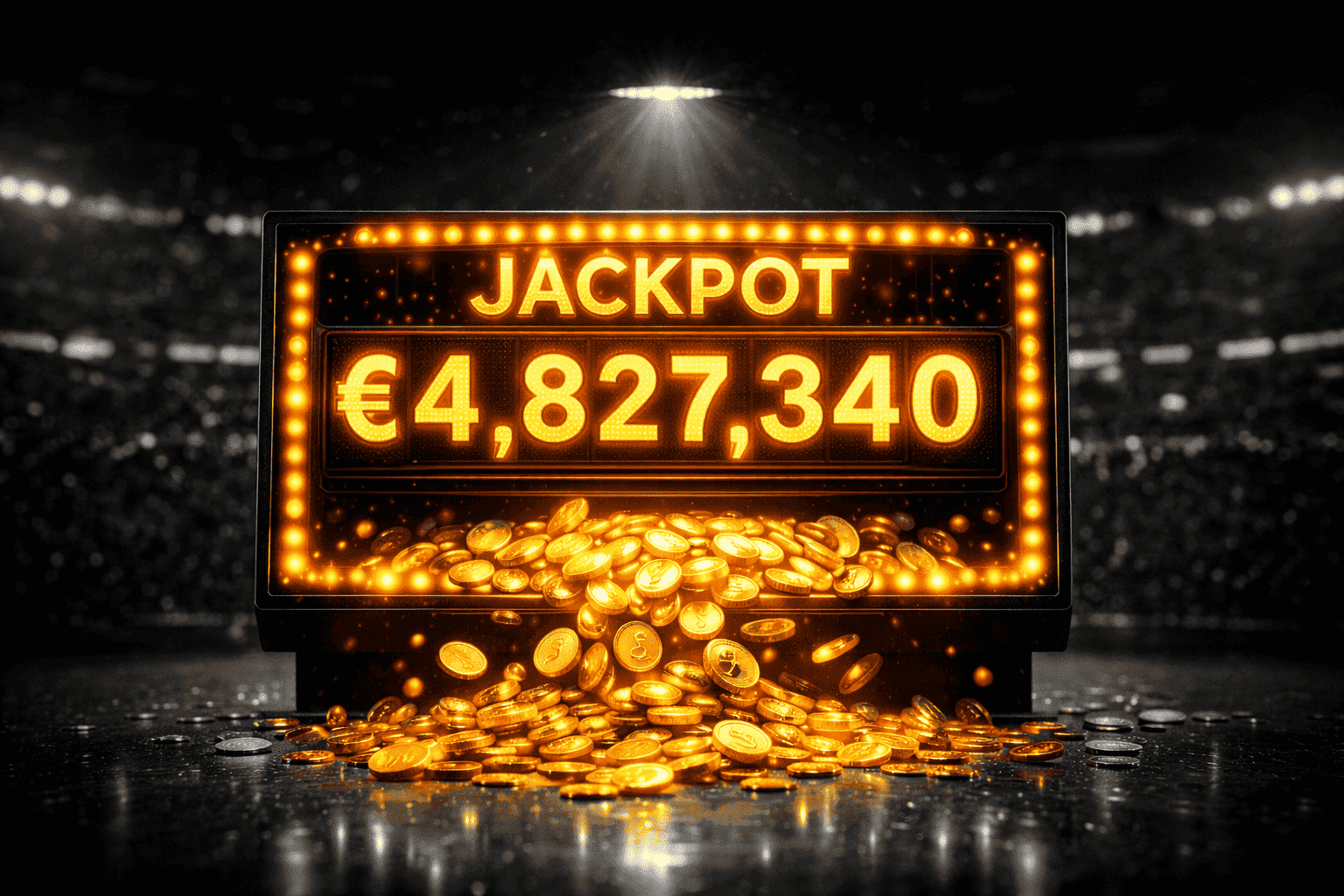
A progressive jackpot slot takes a small percentage of every bet placed — typically 1–3% — and adds it to a shared prize pool. That pool grows continuously until one player triggers the jackpot. Then it resets to a seed value and starts climbing again.
The result is prizes that can reach millions. Mega Moolah has paid over €20 million in a single spin. Divine Fortune regularly hits six figures. The scale is real — but so is the math behind it.
How the Prize Pool Grows
Every bet on a progressive jackpot slot contributes to the pool, whether the player wins or loses that spin. In networked progressives, this includes players across multiple casinos simultaneously.
Standalone progressives — jackpot fed by one machine at one casino. Grows slowly, hits more often
Local progressives — linked across one casino's machines. Mid-range growth rate
Network progressives — linked across multiple casinos and potentially multiple countries. Grows fast, rarely hits, biggest prizes
The larger the network, the bigger the jackpot can grow — and the longer the average time between hits.
The RTP Problem: What the Listed % Actually Means
This is where most players get misled. When a progressive jackpot slot advertises 96% RTP, that figure includes the jackpot contribution — which you're statistically very unlikely to win.
The base game RTP (what you actually get on regular spins) is typically 92–94%, sometimes lower. The remaining 2–4% goes into the jackpot pool. You're essentially paying extra on every spin for a lottery ticket attached to the game.
Advertised RTP: 96% (includes jackpot)
Base game RTP: ~93% (what most players experience)
Jackpot contribution: ~3% (goes into the pool)
A standard slot at 96% RTP with no jackpot pays better in practice than a progressive jackpot slot at 96% advertised RTP. This matters if session length is your goal.
Types of Progressive Jackpots
Must-Drop Jackpots
These jackpots must pay out before reaching a certain value or by a certain time. Common variants:
Must-drop by value — hits before reaching a cap (e.g., must drop before €10,000)
Must-drop by time — daily jackpot that must hit before midnight
Random must-drop — probability of hitting increases sharply as the pot approaches the cap
Must-drops are more predictable. When the jackpot is close to the cap, the expected value of chasing it increases meaningfully. This is the most rational way to approach progressive jackpots.
Seed-Reset Jackpots
After hitting, the jackpot resets to a minimum seed value (e.g., €1,000,000 on Mega Moolah). Playing immediately after a jackpot hit is fine — your odds are identical on every spin. The seed value is real money, and a freshly reset jackpot still pays if you hit it.
Fixed-Tier Jackpots
Some games (Book of Atem WowPot, Divine Fortune) have multiple jackpot tiers — mini, minor, major, mega. Lower tiers hit frequently. The top prize is still rare but the smaller jackpots make these games feel more rewarding during a session.
Does Jackpot Size Affect Your Odds?
No. Your probability of triggering the jackpot is the same whether the pool is at €1,000,000 or €15,000,000. The size of the prize does not change the frequency of hits.
What changes is the expected value of a hit. A larger jackpot means more return when you do win. But "more return when you win" is not the same as "more likely to win."
This distinction matters. Chasing a growing jackpot because "it must be due" is the gambler's fallacy. The slot has no memory of previous spins.
When Playing Progressive Jackpots Makes Sense
Most of the time, progressives are a worse financial decision than standard slots. But there are specific situations where the math shifts:
1. Must-drop jackpots near the cap
When a must-drop is within 5–10% of its maximum value, the expected value of the jackpot component increases sharply. At the cap, the jackpot must hit before the next spin. If the jackpot value divided by its average hit frequency equals more than your cost per spin, you're in positive EV territory — briefly.
2. You want volatility, not session length
Progressive jackpots are the highest-volatility game type available. If your goal is a shot at a life-changing amount and you're comfortable losing your session budget to get it, the experience is legitimate. Know what you're buying.
3. Games with frequent minor jackpots
Multi-tier jackpot games where the mini and minor prizes hit regularly provide real interruptions to your loss curve. These games play more like standard high-volatility slots with occasional bonus windfalls.
What to Avoid
Betting minimum to "qualify" — some jackpots require max bet to be eligible. Always check before playing. Betting €0.20 per spin on a game where the jackpot requires €1.00 means you're contributing to a jackpot you can never win
Using bonuses on progressives — most casinos exclude progressive jackpot slots from bonus play. Check terms. Wagering a bonus on an excluded game can void all winnings
Playing very large network jackpots for session value — a jackpot over €10 million has almost certainly been growing for months. Base game RTP is depressed even further by the contribution rate. Sessions will be shorter than the RTP suggests
Top Progressive Jackpot Slots Worth Knowing
Mega Moolah (Microgaming) — the record-setter. African safari theme, four jackpot tiers, jackpot triggered via bonus wheel. Minimum seed: €1,000,000. Average jackpot at hit: €5–8 million.
Divine Fortune (NetEnt) — must-drop style with three tiers. More frequent hits than Mega Moolah. Popular at European casinos. Falling Wilds base mechanic makes base game playable.
Wheel of Wishes (Microgaming) — must-drop-by-value mechanic, seeds at €2,000,000. Higher minimum bet requirement.
Book of Atem WowPot (Microgaming) — multi-tier jackpot attached to a Book of Ra-style game. Mini jackpot hits regularly, which improves session feel.







18+ only. This content is informational and education-focused. Follow local laws and play responsibly.