


The Psychology of “Almost Winning”
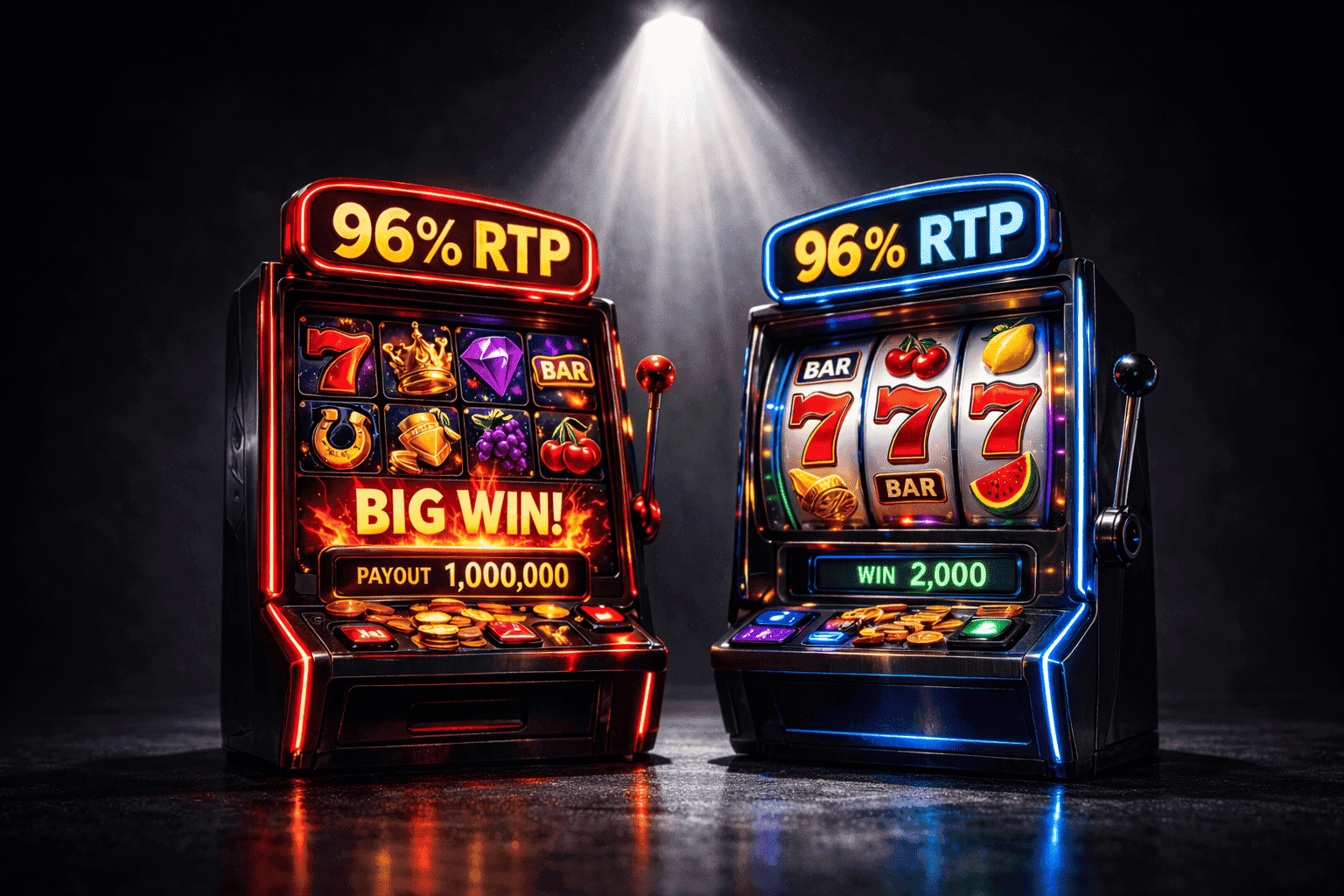
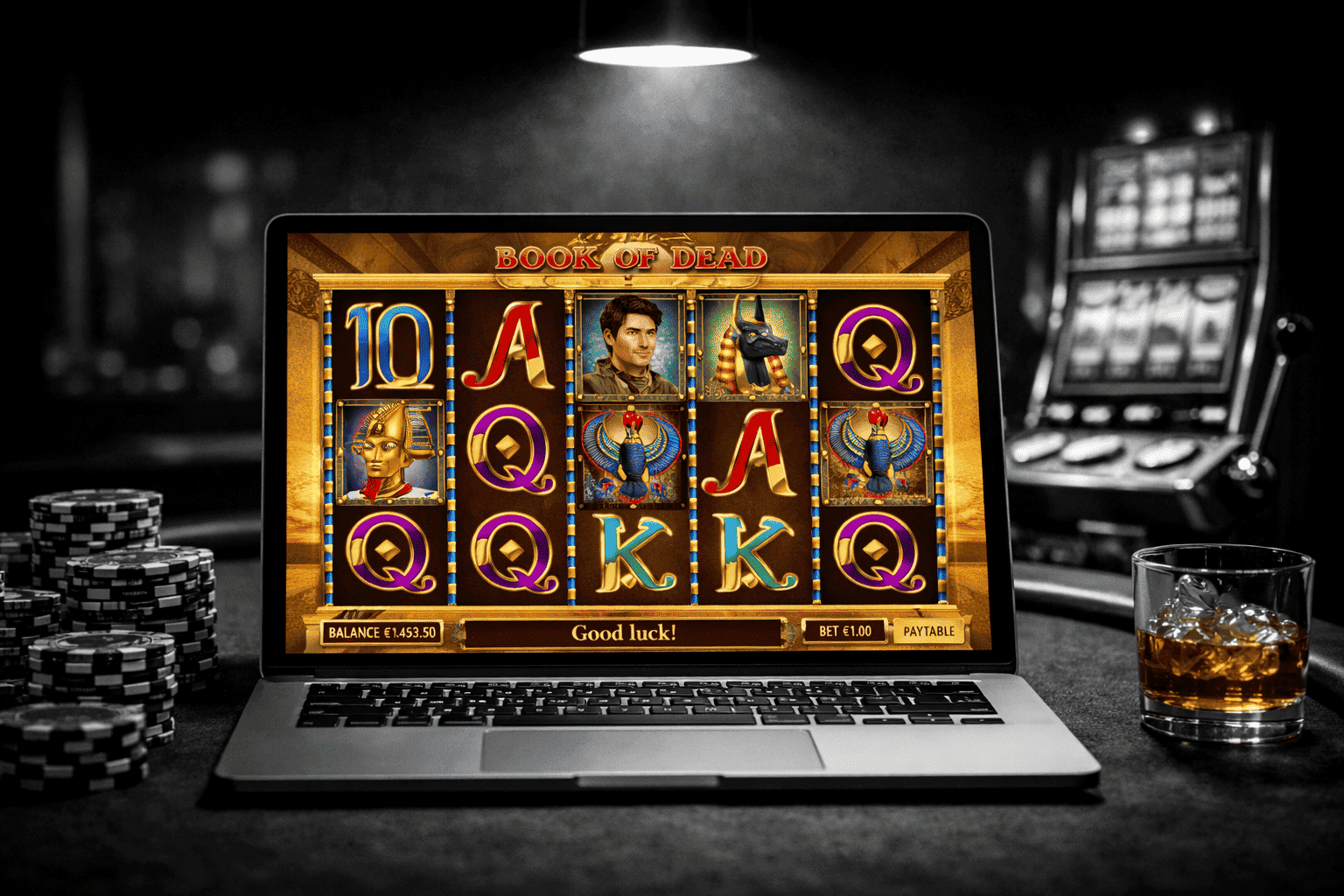
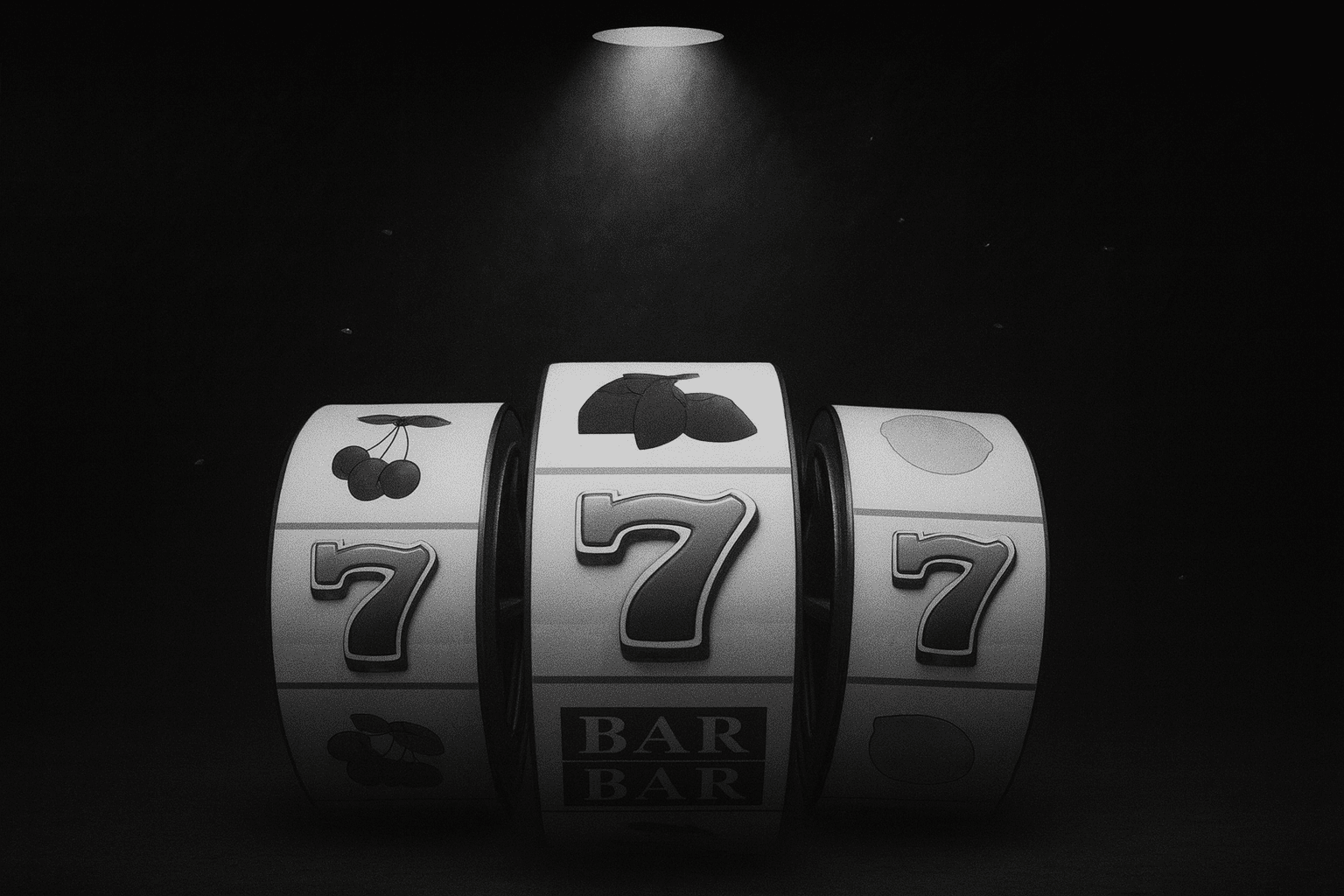
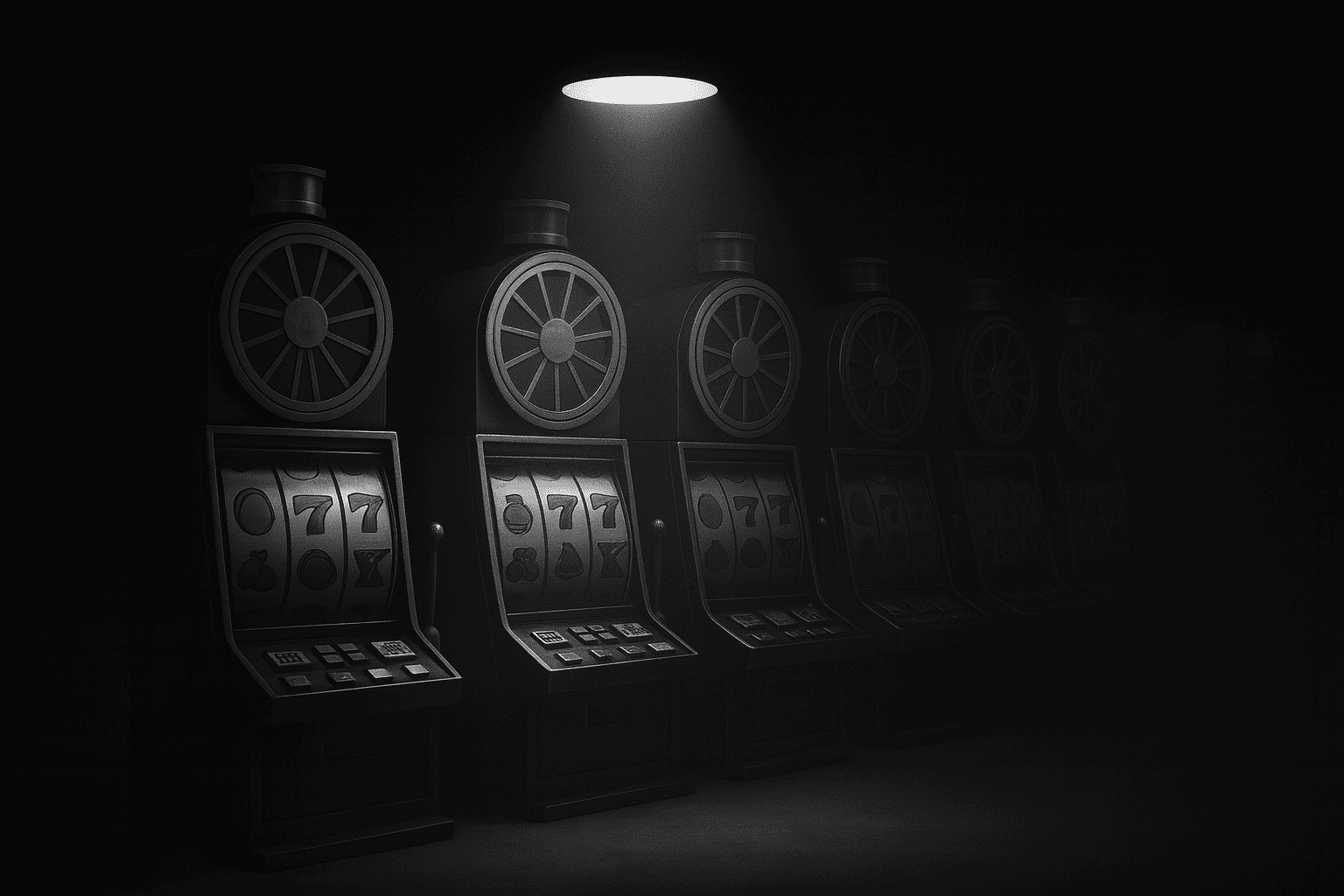
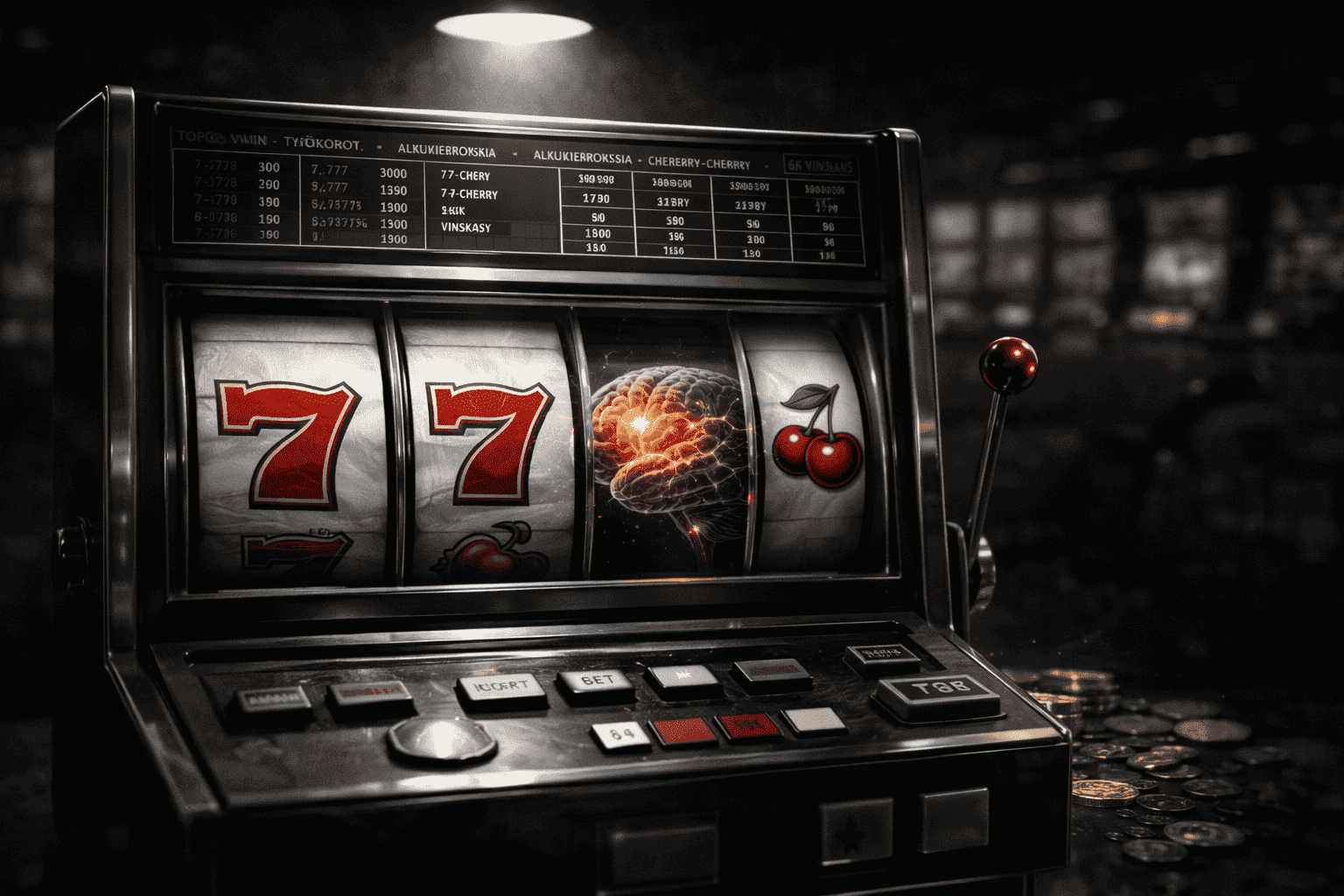
One of the strongest psychological hooks in casino play is not a win — it is an almost win. A slot lands two matching symbols, the third just misses, and the brain reacts as if something important nearly happened.
• An almost win is still a loss, even if it feels meaningful.
• Near misses create tension because the brain reads them as 'close progress.'
• That feeling can encourage extra spins and longer sessions.
• Almost wins do not make a real win more likely on the next spin.
• The safest response is to treat every near miss as a normal losing result.
• An almost win is still a loss, even if it feels meaningful.
• Near misses create tension because the brain reads them as 'close progress.'
• That feeling can encourage extra spins and longer sessions.
• Almost wins do not make a real win more likely on the next spin.
• The safest response is to treat every near miss as a normal losing result.
Why almost winning feels different from a normal loss
A normal losing spin is easy to recognize. An almost win is different because it carries a visual story: the result looks close, dramatic, and unfinished. That makes it feel less like a clean loss and more like a missed opportunity.
The brain often reacts strongly to “nearly there” moments. Even though nothing was won, the emotional impression can be much stronger than the actual mathematical meaning of the spin.
How the near-miss effect works
| What happens | How it feels | What it really means |
|---|---|---|
| Two jackpot symbols land, third is just above or below | Feels like you were close | It is still a full losing result |
| Bonus symbol appears on first two reels only | Feels like the feature was nearly triggered | The game outcome is still just a miss, not stored progress |
| One symbol away from a premium line | Creates momentum or tension | Random outcomes do not become more favorable because of the near miss |
| Several almost wins in one short session | Feels like the machine is warming up | This is a perception trap, not proof of an approaching win |
Why it can distort session decisions
Near misses are dangerous because they can quietly change behavior. A player who planned to stop may keep going because the last few spins felt “close.” Another may raise the stake because the machine seems like it is about to give something.
But a near miss does not store momentum. It does not make the next spin more promising. It only changes how the moment feels.
The illusion of progress
This is the real trap: an almost win can feel like progress even when the balance says otherwise. That feeling is powerful because it encourages continuation without any real evidence that conditions improved.
In practical terms, a near miss is one of the fastest ways for emotion to take control away from structure.
How to protect yourself from the effect
| Rule | Why it helps | Main effect |
|---|---|---|
| Call it a loss immediately | This breaks the illusion that the result carried real progress. | Helps reduce emotional continuation. |
| Keep stake size unchanged | Near misses often tempt players to increase bets impulsively. | Protects bankroll and session structure. |
| Use a fixed stop point | The feeling of being close can stretch sessions beyond plan. | Stops 'one more spin' loops. |
| Avoid storytelling | The brain wants to turn patterns into meaning. | Keeps play grounded in actual rules, not feelings. |
| Focus on session plan, not reel drama | The visual design of slots is built to create tension. | Makes decisions calmer and more consistent. |
Why slot design makes this effect stronger
Slot games are built to be visually dramatic. Symbols stop in sequence, tension builds, and the final reel often creates the impression that something important was just missed. That presentation makes near misses feel bigger than they are.
The right mental move is simple: separate the emotional look of the result from the actual outcome. If no payout happened, it was still a loss.








Bottom line
The psychology of almost winning matters because near misses can feel meaningful without changing the math at all. The safest approach is to recognize the effect early, treat it as a normal loss, and keep your session plan stronger than the drama of the reels.
18+ only. This content is informational and education-focused. Follow local laws and play responsibly.