


Why Two 96% RTP Slots Feel Different
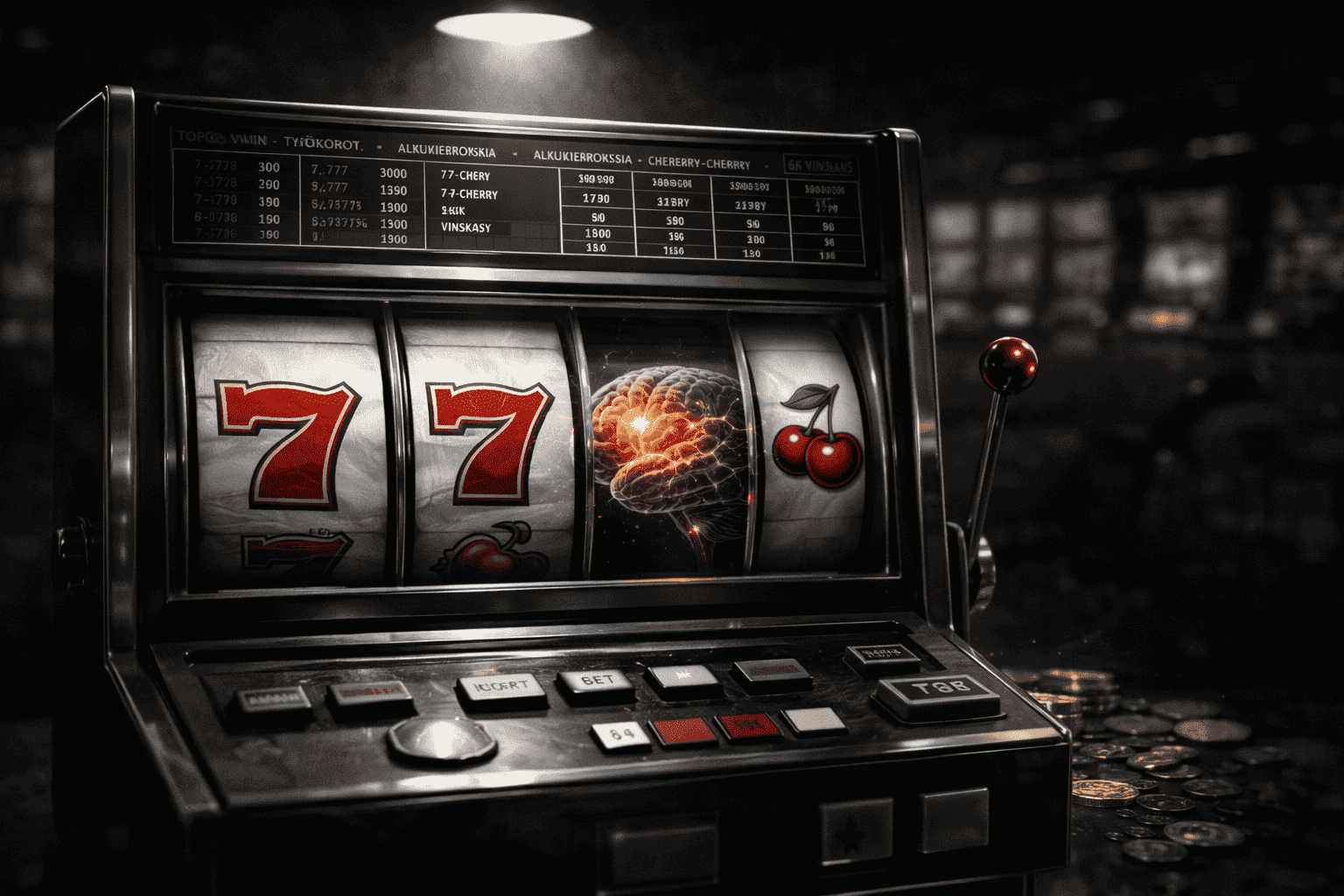
Two slot games can both show 96% RTP and still feel nothing alike in real play. One may give regular small hits and feel active, while the other may stay quiet for long stretches and depend on a rare bonus round. That difference is not a contradiction — it is how slot design works.
• RTP is a long-run theoretical return, not a promise for one session.
• Two 96% RTP slots can feel different because volatility changes the shape of wins and losses.
• Hit rate, bonus frequency, and value distribution often matter more to session feel than RTP alone.
• A smoother slot usually spreads value across many smaller outcomes.
• A swingier slot often packs more value into fewer, bigger moments.
• RTP is a long-run theoretical return, not a promise for one session.
• Two 96% RTP slots can feel different because volatility changes the shape of wins and losses.
• Hit rate, bonus frequency, and value distribution often matter more to session feel than RTP alone.
• A smoother slot usually spreads value across many smaller outcomes.
• A swingier slot often packs more value into fewer, bigger moments.
Why the same RTP does not create the same experience
RTP tells you the theoretical average return over a very large sample. It does not tell you how the session will look spin by spin. The “feel” comes from the path the game takes to reach that long-run number.
One slot can return value through lots of smaller hits. Another can hold back for longer and then release value through rarer, bigger outcomes. On paper the RTP can be identical. In practice, the sessions can feel completely different.
What usually changes the feel of a 96% slot
| Factor | Slot A | Slot B | Why it changes the feel |
|---|---|---|---|
| RTP | 96% | 96% | Same theoretical return does not guarantee the same short-session experience. |
| Volatility | Low / medium | High | Lower volatility usually feels steadier; higher volatility feels swingier and more stressful. |
| Hit rate | Frequent small wins | Fewer wins overall | A slot that hits more often can feel more active even if average value is lower. |
| Bonus dependence | Less dependent on one big feature | More value packed into bonus round | Heavy bonus dependence can create long dry spells before the session 'comes alive'. |
| Win distribution | Value spread across many smaller outcomes | Value concentrated in rare larger outcomes | Both can reach the same RTP through different payout shapes. |
| Bankroll pressure | Often easier to sustain | Can drain faster between hits | High-variance gaps change the emotional feel and practical session length. |
Volatility is usually the biggest reason
The clearest explanation is volatility. A lower-volatility slot usually gives more feedback: more regular wins, more visible movement, and fewer extreme dead stretches. A higher-volatility slot may do the opposite: fewer hits, longer gaps, and more emotional pressure between outcomes.
That is why players often say one slot feels “fair” or “cold” even when the RTP number is the same. They are usually reacting to volatility, not the RTP itself.
Hit rate and bonus dependence matter more than many players think
Two games with the same RTP can also differ in hit rate. A slot that lands many small wins may feel busy and alive. A slot that saves more of its return for bonus rounds or top-end combinations may feel slower and harsher.
This is especially noticeable when one game relies heavily on a feature round. Until that feature appears, the session can feel flat — even if the long-run RTP is perfectly normal.
Why bankroll pressure changes your perception
Session feel is not only math — it is also bankroll pressure. If a slot produces longer empty stretches, your balance may fall faster between wins. That creates more tension and shortens the practical runway of the session.
A smoother 96% slot may not look more exciting on paper, but it can feel easier to manage because it gives more breathing room.
How to choose between two similar RTP slots
Do not pick by RTP alone. Choose based on what you actually want from the session.
| Your goal | Look for | Usually avoid |
|---|---|---|
| Longer, calmer session | Lower volatility, steadier base-game activity, less bonus dependence | Top-heavy slots built around rare feature explosions |
| Big-swing excitement | Higher volatility, larger top-end potential, feature-heavy design | Slots that mainly recycle small base-game hits |
| Bonus-round focus | Clear bonus triggers, frequent feature access, visible multiplier structure | Games where the bonus is rare and the base game feels flat |
| Testing with smaller bankroll | Smoother value distribution and practical minimum bet comfort | High variance paired with short bankroll runway |
The practical takeaway
RTP is useful, but it is only one layer. If two slots both say 96%, the better question is: how do they distribute that 96% across the session?
That is what changes the real experience: win frequency, bonus structure, variance, and how long your bankroll can comfortably survive the gaps.









Bottom line
Two 96% RTP slots can feel completely different because RTP describes the destination, not the journey. The journey is shaped by volatility, hit rate, feature design, and bankroll pressure — and that is what players actually feel.
18+ only. This content is informational and education-focused. Follow local laws and play responsibly.